
Garage Door Weather Seal Replacement
Texas heat cooks the rubber at the bottom of your door. Here’s how to spot a dead seal, the types available, and what’s DIY-safe.
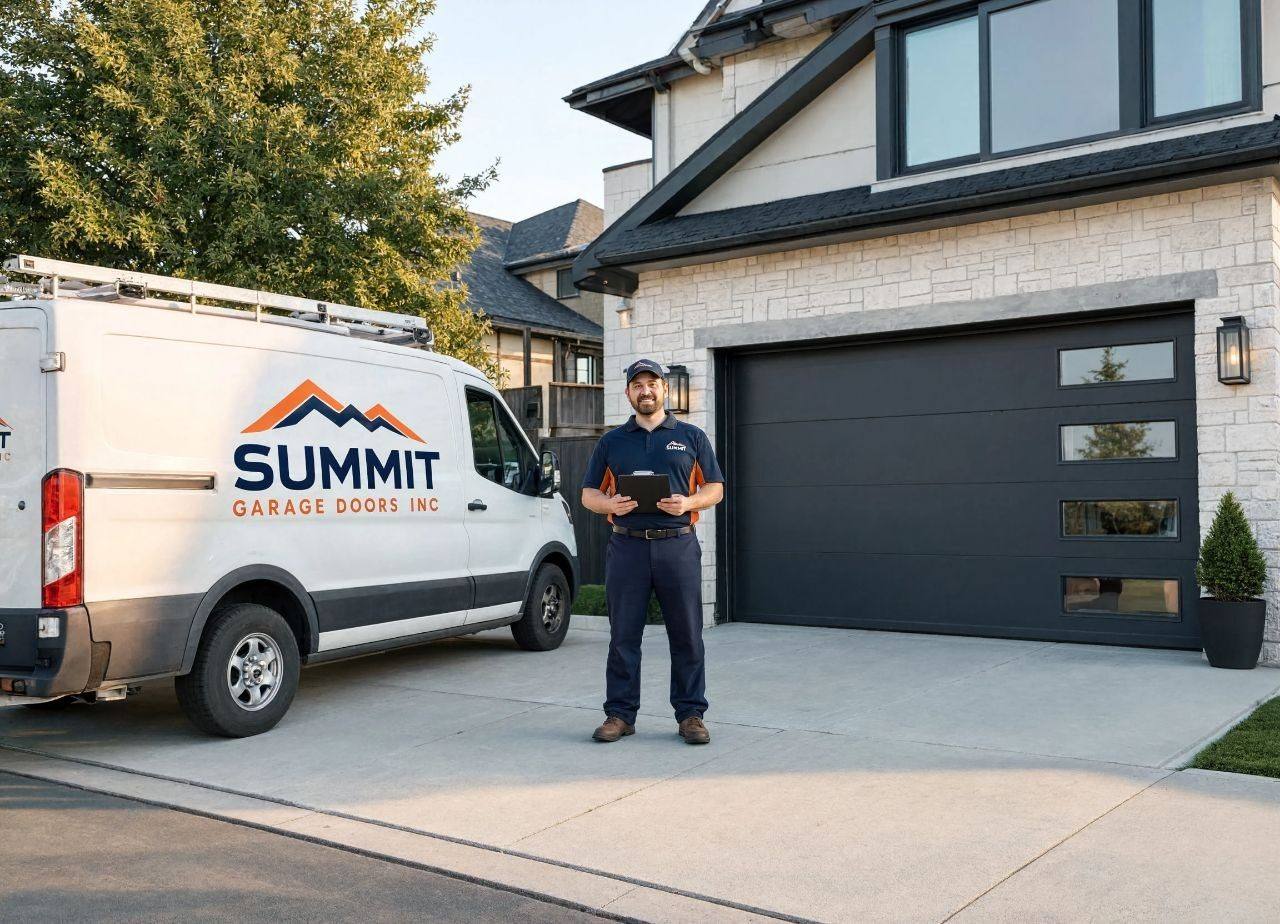
San Antonio eats weather seals
The rubber strip at the bottom of your garage door has a hard life here. Summer heat bakes it until it’s brittle. The odd hard freeze cracks it. UV breaks it down year-round. A seal that might last eight years in a mild climate often gives you three to five on the North Side.
When it fails, the garage gets hotter, rain blows in under the door, and every pest in Bexar County treats the gap as a front door. Replacing the seal is one of the cheapest comfort upgrades on the whole house.
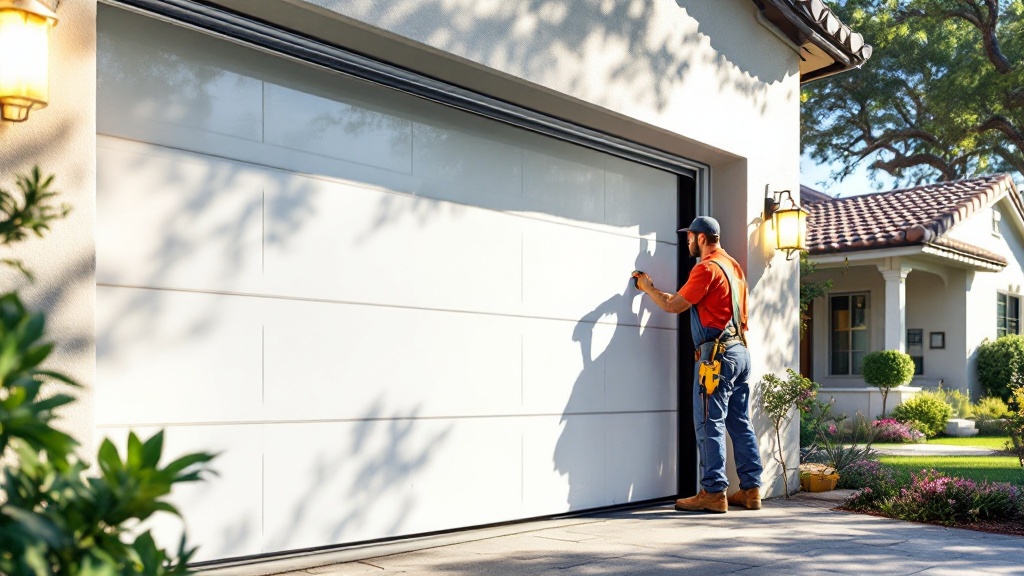
Five signs your seal is done
Check on a sunny afternoon with the garage dark. These take two minutes:
- Daylight under the closed door. Any visible line of light is a gap. Even a quarter inch lets in heat and insects.
- The seal is hard, not flexible. Pinch it. Good rubber flexes; dead rubber feels like a plastic cutting board.
- Cracks or chunks missing. Split ends and missing sections can’t seal anything.
- Water lines inside the door. After a storm, a water mark just inside the door means the seal is passing rain.
- Uninvited guests. Roaches, scorpions, and mice come through seal gaps. More on that: keeping pests out of the garage.
Seal types, translated
The most common. Two T-shaped edges slide into a double channel on the door bottom. Easy to source and replace.
Round beads slide into a round channel. Common on older doors.
A rounded tube for uneven driveways. Flattens to fill low spots.
A rubber ramp glued to the driveway itself. Pairs with the bottom seal for serious water problems.
The vinyl strip around the door frame, not the door. Seals the sides and top. It fails separately and matters just as much.
The honest boundary
Swapping a bottom seal is one of the more doable garage door DIY jobs: slide out the old seal, slide in the new one, done in an hour with basic tools. A few things make it a pro call instead. Rusted or damaged retainer channels need repair before a new seal will slide. Wood doors often use nailed-on seals, which is fiddlier. And thresholds need the driveway cleaned and glued correctly or they peel up in a month.
One hard rule: the bottom brackets the seal channel bolts near are tied directly into the lift cables under full spring tension. Never loosen or remove the bottom brackets. Slide the seal; leave the hardware alone.
What replacement runs
Nationally, weatherstripping and seal replacement is among the cheapest garage door services. We broke down typical ranges and what moves the number here: weatherstripping cost guide. As always, those are national figures, not a Summit quote. We quote the full price before work starts.
If your door also lets heat through its panels, the seal is only part of the fix. An insulated door paired with fresh seals is the real upgrade for west-facing garages: insulated doors in Texas.
Want the seal, stops, and door checked in one visit? Contact Summit Garage Doors.
Seal it up
Your garage door won’t wait. Neither do we.
We keep same-day openings when the board allows. Either way: diagnosis first, written price second, then the fix.