
Energy-Efficient Garages: Cut Cooling Costs
The garage is your AC’s weakest link in a San Antonio summer. Here’s what actually moves the needle, ranked.
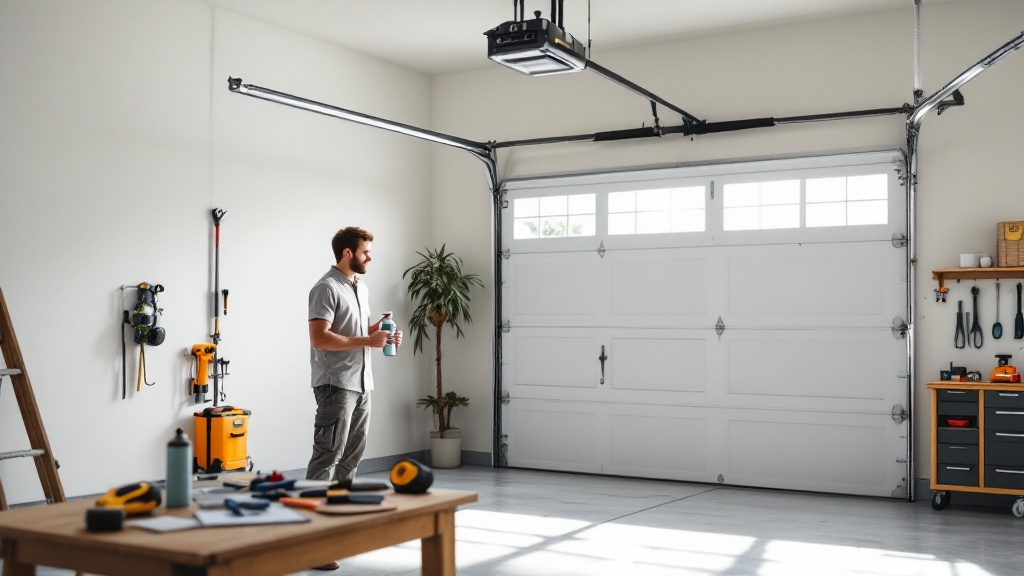
Your garage is a heat battery bolted to your house
On an August afternoon, the sun heats a metal garage door skin past 140°F. That heat soaks into the garage air, and if your garage is attached (most North Side homes), it bleeds through the shared wall and ceiling for hours after sunset. A bedroom over the garage that never cools down is usually this exact problem.
The fixes work, but they’re ranked by payoff, and the biggest wins aren’t the ones ads push. Here’s the honest order.
What actually moves the needle
A worn bottom seal and cracked perimeter weatherstripping leak more heat than thin panels ever will. Cheapest fix, fastest payoff. Our heat destroys seals in a few years.
The door between garage and house should close fully and seal tight. It’s part of your home’s envelope, and it’s usually ignored.
Going from an uninsulated door to R-9+ drops peak garage temps noticeably, especially on west- and south-facing doors. Details below.
If there’s attic space over the garage, it radiates heat down all evening. Often the single biggest fix for rooms above the garage.
Helpful supporting moves, not substitutes for sealing and insulation.

Insulation, with honest tradeoffs
An insulated garage door does two things: it slows heat transfer, and it stiffens and quiets the door. What it does not do is refrigerate the space. Insulation slows heat; it doesn’t stop it. A sealed, insulated garage typically runs 10 to 20 degrees cooler than outside on a brutal afternoon. That’s the difference between unusable and tolerable, not between hot and cold.
If you’re shopping doors, the full breakdown of R-values, foam types, and what matters in our climate is here: insulated garage doors for Texas. Short version: the jump from no insulation to R-6 to R-9 delivers most of the benefit; premium R-values have diminishing returns here.
Free fixes that cost nothing
Before spending a dollar, these habits reclaim real degrees:
- Don’t linger with the door open. Every open minute in August dumps a garage-load of 100-degree air against your house wall.
- Park hot cars smart. A just-driven car radiates engine heat for an hour. If the garage is attached, that heat is your AC’s problem.
- Shade the door if you can. A west-facing door in full sun is the worst case. Even partial afternoon shade measurably lowers skin temperature.
- Run the freezer elsewhere. A second freezer or fridge in a 110-degree garage works brutally hard. If it must live there, insulation and sealing pay for it twice.
Start with seals, then insulate
If you do one thing, replace the bottom seal and weatherstripping. If you do two, add an insulated door when the current one is due. The combo keeps an attached garage meaningfully cooler through a San Antonio summer and takes real load off the AC.
Storm season is the right time to check all of it, since the same seals that block heat block wind-driven rain: storm season prep. Want us to look at your setup? We’ll check seals, door condition, and orientation, and tell you what’s worth doing and what isn’t. Contact Summit Garage Doors.
Related guides and services
Your garage door won’t wait. Neither do we.
We keep same-day openings when the board allows. Either way: diagnosis first, written price second, then the fix.