
Can I Paint My Garage Door?
Yes, in most cases. The prep steps that matter, the color trap for Texas sun, and the doors you should not paint.
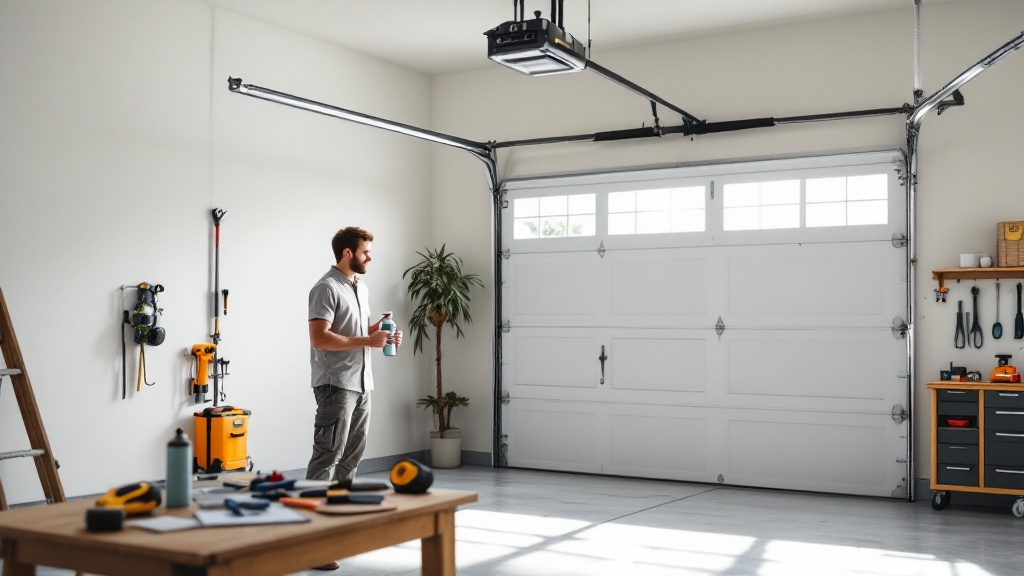
Yes, with prep
Yes. Most steel and wood garage doors take paint well, and exterior acrylic latex is the right product for the job. The paint matters less than the prep. A clean, sanded, primed door holds paint for years. A dirty door sheds it in one summer.
Before you buy anything, check two things: your warranty, since some manufacturers void finish warranties on repainted doors, and your color choice, which is a bigger decision in Texas than people expect. More on that below.

Prep, prime, paint
- Wash first Soap and water, full rinse, dry overnight. Paint over dirt peels.
- Sand and spot-prime Scuff the old finish, feather any peeling edges, prime bare metal or wood spots.
- Mask everything Seals, hinges, handles, windows. Paint in the seals makes them stick and tear.
- Two thin coats Exterior acrylic latex, brushed or rolled, door open so panels do not stick together.
- Pick the right day Dry, 50 to 85 degrees, out of direct sun. A spring morning, not a July afternoon.
Dark colors on a hot door
Here is what paint counters will not tell you. A dark color on a steel door in direct Texas sun can push surface temperatures past 150 degrees. On some insulated doors, that heat warps or bows the panels. Manufacturers know this. Several limit dark-color approvals on their steel lines, and repainting darker than the factory color can void the warranty.
West-facing North Side doors take the worst of it. If you want a dark look, check the door maker’s approved color list first, or pick a heat-reflective paint rated for metal doors.
When not to paint
Skip the project if the door is heavily rusted through, delaminating, or past its service life. Paint on a failing door is lipstick on a repair bill. That money works harder toward a replacement door.
Not sure which side of the line your door is on? We will tell you straight.
FAQ
What kind of paint do you use on a garage door?
Exterior 100 percent acrylic latex for steel and wood doors. It flexes with temperature swings, which matters on a door that moves and bakes daily. Use a bonding primer on bare metal, glossy factory finishes, and stain-grade wood first. Skip oil-based paints, which get brittle, and skip interior paint entirely. On vinyl or composite doors, use only paint the manufacturer approves, since some vinyl formulations reject standard coatings.
Do you have to sand a garage door before painting?
You have to scuff it, not strip it. A light pass with 120 to 220 grit knocks the gloss off so primer and paint can grip, and feathers the edges of any peeling spots. Peeling paint must come off fully, since new paint over loose paint fails with it. Bare metal spots need a rust-inhibiting primer before color. The whole sanding step takes an hour and decides how long the job lasts.
Can you paint a garage door a dark color in Texas?
Carefully. Dark colors absorb heat, and a steel door in direct Texas sun can exceed 150 degrees on the surface. That heat can bow insulated panels and some manufacturers void the warranty if you paint darker than the approved range for that model. Check the door maker’s color guidance first. If they approve it, a heat-reflective exterior paint formulated for metal reduces the risk on west-facing doors.
Is it cheaper to paint or replace a garage door?
Painting is far cheaper: DIY paint and supplies run well under a hundred dollars, and even a pro paint job is a fraction of a door. Replace instead when the door is rusted through, the panels are delaminating, the door is 15-plus years old with worn hardware, or you want insulation and a modern safety package. Paint fixes looks. It does not fix age, dents in structure, or a door that runs rough.
Your garage door won’t wait. Neither do we.
We keep same-day openings when the board allows. Either way: diagnosis first, written price second, then the fix.