
Wood & Faux-Wood Garage Doors
Real wood warmth versus faux-wood practicality, with the upkeep, weight, and climate tradeoffs stated plainly.
Real wood and the doors that imitate it
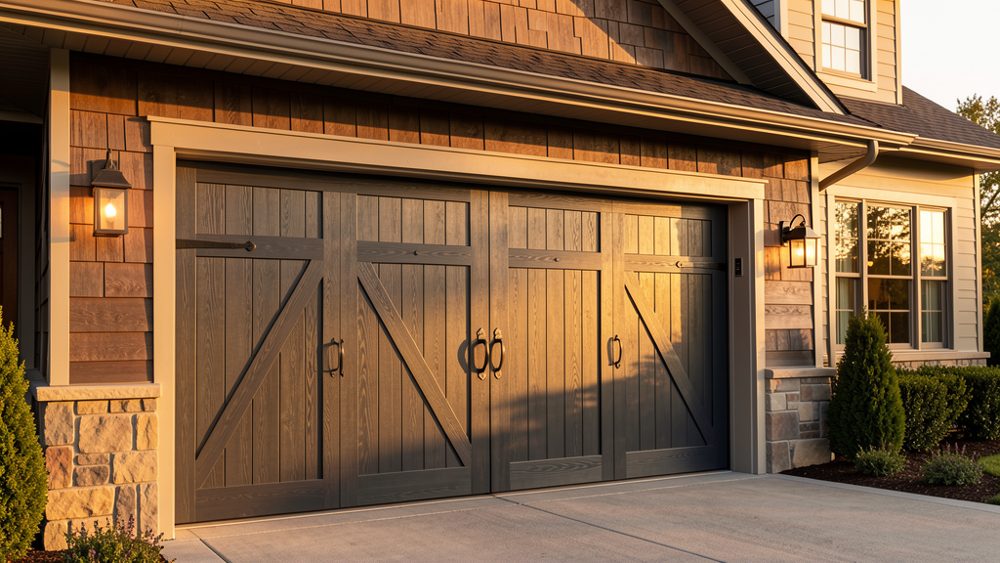
Wood garage doors split into two families. Real wood doors are built from actual lumber or plywood-faced frames, stained or painted, and nothing fully matches the depth of real grain. Faux-wood doors are steel or composite doors with molded overlays or printed finishes that read as wood from the street. The faux versions have gotten genuinely good; plenty of homeowners cannot tell from the curb.
The decision is not really about looks. It is about whether you will keep up with real wood’s maintenance in a climate of blazing sun, sudden storms, and humidity swings.
The real-wood options
Hemlock or similar paintable lumber. The affordable entry into real wood, usually finished to match trim.
The classic choice. Naturally rot-resistant, beautiful grain, and the look Hill Country buyers picture.
Mahogany, oak, and fully custom designs. Stunning, heavy, and priced accordingly.
The practical impersonators
A steel insulated door with molded wood-look overlays. The most convincing faux, with real shadow lines.
Light, rot-proof, and dent-resistant, with grain molded from real wood masters.
Printed or powder-coated woodgrain on smooth steel. The budget faux; convincing from the street, less so up close.
What real wood asks of you in Texas
Real wood in San Antonio needs refinishing every few years, more often on south- and west-facing doors where UV and afternoon storms take turns at the finish. Skip it and the door tells on you: faded stain, raised grain, then checking and moisture damage at the panel edges. If that maintenance rhythm sounds like a chore you will avoid, buy faux-wood and enjoy it guilt-free. That is not a knock; it is the correct match between product and owner.
Faux-wood asks for a wash a couple of times a year and nothing else.
The part of wood nobody mentions
Real wood doors are heavy, sometimes double the weight of a comparable steel door. That means springs sized specifically for the door, heavier-duty hardware, and an opener with the muscle to match. A wood door hung on springs rated for the old steel door is dangerous and hard on everything. When we quote wood doors, spring sizing is part of the quote, not an afterthought. The torsion vs extension spring guide explains the lifting system if you want the background.
What wood and faux-wood run, nationally
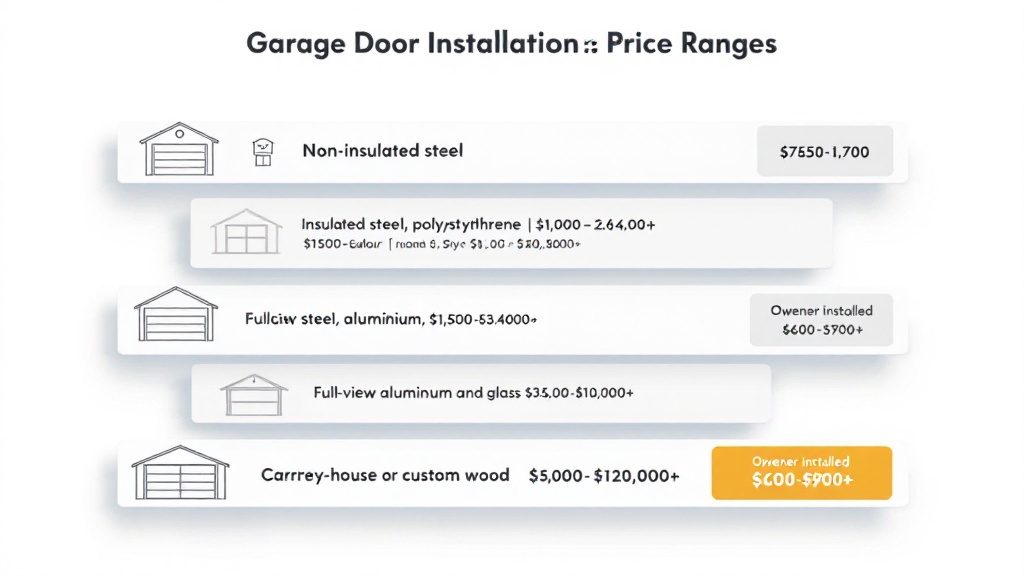
Nationally, most homeowners pay between $1,200 and $3,000 for a faux-wood steel door installed, and $2,500 to $5,000 or more for real wood, with custom hardwood builds running higher. Those are typical US ranges, not Summit quotes. Size, species, finish, and insulation all move the real number, and we quote the full installed price before work starts.
Love the carriage-house look most wood doors come in? Our carriage house page covers that style in both real and faux builds, and the steel page is the value benchmark to compare against.
Torn between real and faux? We will bring samples to the driveway and price both. Schedule a free estimate.
FAQ
How long does a real wood garage door last?
With faithful refinishing every few years, a quality wood door can last 20 to 30 years or more. Without maintenance in Texas sun and storm cycles, the finish fails in a few seasons and moisture damage follows. The material is not fragile; the finish schedule is just non-negotiable. Homeowners who keep it up get decades. Homeowners who skip it get an expensive lesson.
Do wood garage doors warp in Texas humidity?
Quality wood doors are built from kiln-dried lumber with joinery designed to move with humidity, so warping is uncommon on well-made, well-finished doors. The failures we see are cheap big-box wood doors and neglected finishes that let moisture in unevenly. Keeping the finish intact is what keeps the door flat. Faux-wood removes the variable entirely.
Is faux-wood worth it over real wood?
For most San Antonio homeowners, yes. Modern composite overlays are convincing from the street, they never need staining, they weigh less, and they cost significantly less than real wood. Real wood wins when authenticity is the point: historic homes, high-end custom builds, or owners who genuinely enjoy the upkeep. Both are legitimate choices for different owners.
Can I paint or restain my wood garage door?
Yes, and you will, roughly every three to five years depending on sun exposure. South- and west-facing doors fade fastest. The job is cleaning, light sanding, and a quality exterior stain or paint, a solid weekend for a careful DIYer. Our maintenance library covers the products that hold up in our heat if you want the detail before starting.
Your garage door won’t wait. Neither do we.
We keep same-day openings when the board allows. Either way: diagnosis first, written price second, then the fix.