
Garage Door Safety: Protecting Kids & Pets
The tests, rules, and boundaries that keep the heaviest moving object in your home from hurting anyone.
Respect the weight
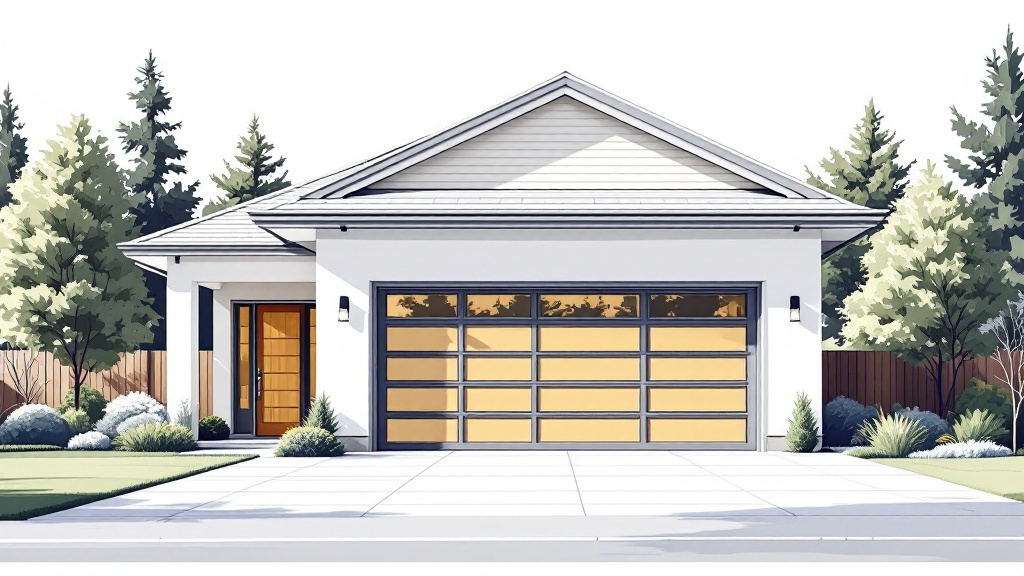
A typical double steel garage door weighs 150 to 250 pounds. Insulated and wood doors go higher. The springs carry nearly all of that weight, which is why a healthy door feels light. When a spring snaps or a cable lets go, that weight comes down with no warning and no mercy.
Garage doors injure thousands of people in the US every year, and a share of those are kids. Almost every one of those injuries traces to a failed safety device that nobody tested, or someone walking under a moving door. Both are preventable.
Two tests, 60 seconds, every month
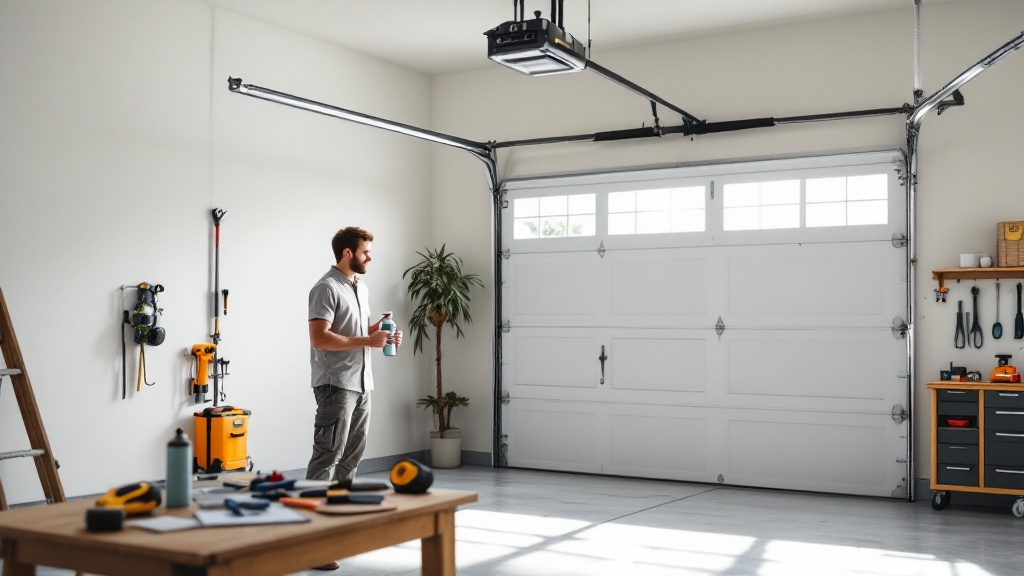
Every opener sold in the US since 1993 has two safety systems. Both take under a minute to test, and both fail silently, so testing is the only way to know they work.
- Contact reversal test: lay a 2×4 flat on the floor where the door closes. Close the door. It must reverse the instant it touches the wood. If it doesn’t, stop using the opener and book a repair.
- Photo-eye test: start the door closing, then wave a broom handle through the sensor beam near the floor. The door must reverse immediately.
- Sensor height check: both photo eyes should sit no more than 6 inches above the floor. Higher than that, a small child or pet can slip under the beam.
- Indicator lights: both sensors should show steady lights. A flickering or dark sensor means misalignment or a wiring fault.
If either test fails, treat the opener as broken until it’s fixed. The door still works manually, but the safety net is gone.

The rules worth teaching your kids
Safety devices backstop behavior; they don’t replace it. These five rules cover most of how kids and pets actually get hurt:
- Never walk or run under a moving door. Not once, not “just this time.” Pets dart; kids race the door. Both lose eventually.
- Remotes are not toys. Wall buttons mount at least 5 feet up for a reason. Keep remotes away from small kids.
- Fingers out of panel joints. Pinch injuries are the most common garage door injury, and they happen while manually moving the door.
- Never leave the door partially open. A door held halfway by a weak spring can drift down. It also invites intruders and, here, snakes.
- Nobody touches the springs, cables, or bottom brackets. Adults included. That hardware is under extreme tension, full stop.
Where homeowner work ends
Testing, cleaning sensors, and lubricating are safe homeowner jobs. Everything attached to the spring system is not. Torsion springs store enough energy to break bones, and the bottom brackets connect directly to cables under full tension. This is the repair we most often tell people not to attempt, and it’s not a sales line; it’s the injury statistics.
If your spring has snapped, read this before doing anything else: can you use the door with a broken spring?
If your opener predates 1993
Openers built before 1993 may lack photo-eye sensors entirely, and units from the 1990s are well past their design life. If yours has no sensors, no amount of testing makes it safe around kids and pets. Replacement is the right call, and modern units add battery backup and rolling-code security on top of the safety gear.
We service and install the major brands, including LiftMaster, Chamberlain, and Genie: opener repair and installation. Failed a safety test? That’s a same-day priority for us. Contact Summit Garage Doors.
Related guides and services
Your garage door won’t wait. Neither do we.
We keep same-day openings when the board allows. Either way: diagnosis first, written price second, then the fix.