
Why Is My Garage Door So Loud?
Each noise points to a different part. Match the sound, then fix the cheap ones yourself and leave the loaded ones to us.
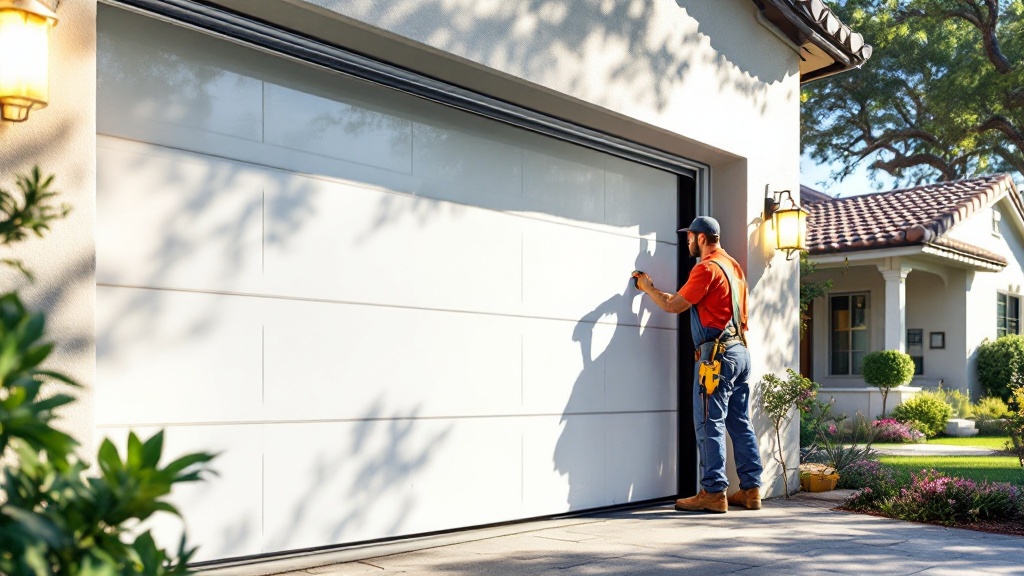
Wear, dryness, and loose hardware
A loud garage door is almost always worn rollers, dry moving parts, or loose hardware, in that order. The door is the largest moving object in your house, with dozens of metal parts rubbing on metal. When lubrication dries out and rollers wear down, the noise tells you exactly which part is complaining, if you know how to listen.
Below: the five sounds and what each one means.
Match the sound to the part
Dry rollers, hinges, or springs. The cheap fix: proper lubricant on every pivot point.
Worn roller bearings or the opener’s drive gear. Grinding means metal is actively losing the fight.
Loose nuts, bolts, and track brackets. The door vibrates hundreds of times a week and shakes hardware loose.
Often the torsion spring or panels flexing under load. One single loud bang is different: that’s usually a snapped spring.
A frayed cable or a loose chain slapping the rail. Frayed cables are a do-not-wait item.
What you can quiet yourself
- Tighten the hardware A socket wrench on every bolt and bracket you can reach. Snug, not stripped.
- Lubricate the right way Silicone or lithium garage-door lube on rollers, hinges, springs, and bearing plates. Not WD-40. Here’s why: WD-40 on a garage door.
- Heard one loud bang? That’s not a noise complaint, that’s a break. Check what the bang means before cycling the door again.
- Stay in your lane Rollers and hinges are fair DIY. Anything touching springs, cables, or the bottom brackets is not. Those parts carry full spring tension.
Sounds you shouldn’t sleep on
Grinding that survives lubrication usually means worn rollers, and worn rollers chew up tracks. A slapping cable frays until it snaps, and then the door drops crooked. The quiet-down jobs: noisy door repair and roller replacement. The full lube routine: how to lubricate a garage door.
FAQ
Why is my garage door so loud all of a sudden?
A sudden change usually means one specific part failed: a roller bearing gave out, a hinge cracked, or a cable started fraying. Gradual loudness over months is the normal pattern of dried lubricant and loosening hardware. Sudden noise deserves a look this week. Check for a frayed cable and a visibly wobbling roller first, and keep hands off the bottom brackets.
What lubricant should I use on a garage door?
A silicone-based or white lithium spray made for garage doors. Hit the roller bearings, hinges, torsion spring, and bearing plates every six months. Skip WD-40. It’s a solvent, not a lasting lubricant, and it strips grease from the parts that need it. Also skip lubricating the tracks themselves. Clean them, but lube there just collects grit.
Can I make my garage door quieter without replacing it?
Usually, yes. Nylon rollers are the single biggest quiet-down upgrade over old steel rollers, followed by fresh lubricant and tightened hardware. Rubber isolation pads under the opener mounts help if the noise telegraphs into bedrooms above the garage. If the door is quiet when run by hand but loud under power, the opener is the noisy part.
Is a noisy garage door dangerous?
Noise itself is just wear talking, but two sounds are warnings. A single loud bang is usually a snapped spring, and slapping or dragging sounds can mean a fraying cable. Both can end with a falling or crooked door. If you hear either, stop running the door and get it inspected before the next cycle.
Your garage door won’t wait. Neither do we.
We keep same-day openings when the board allows. Either way: diagnosis first, written price second, then the fix.