
How Do I Test My Garage Door’s Safety Reverse?
Two 60-second tests every household should run monthly, and exactly what to do if your door fails one.
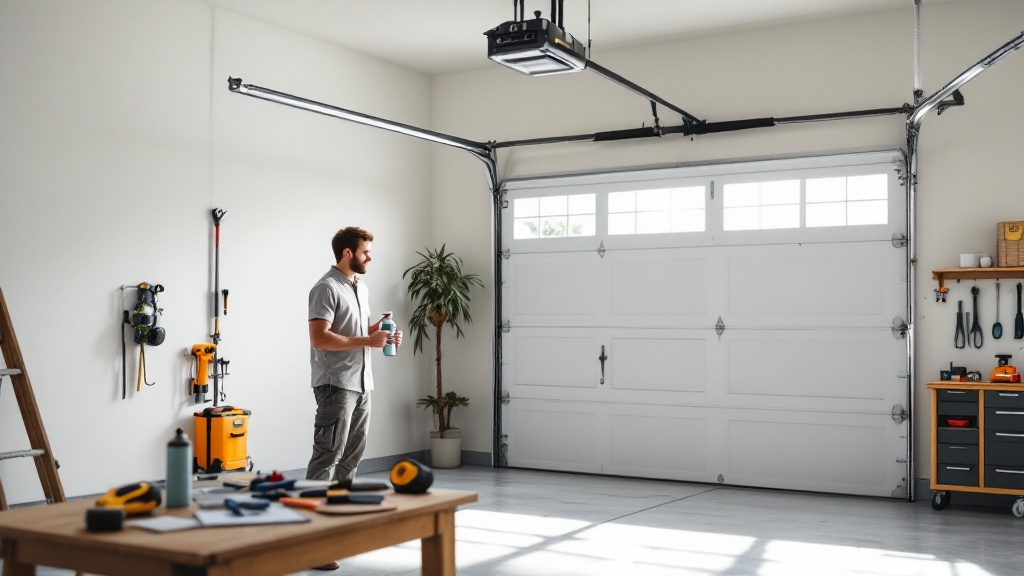
Two tests, once a month
Test the safety reverse two ways: lay a 2×4 flat under the door and close it, the door must reverse on contact, then break the photo-eye beam while it closes, and the door must reverse immediately. Each test takes a minute. Do both monthly.
These systems exist because garage doors kill and injure people, mostly kids, when the reverse fails. Federal rules have required both on openers made since 1993. If your opener predates that, the test you really need is a new opener.

The 2×4 contact test
- Lay a 2×4 flat On the floor in the center of the door opening, where the door lands.
- Close the door With the wall button. Stand clear and watch.
- Pass The door touches the wood and reverses to fully open within a second or two.
- Fail The door stops and stays down, keeps pushing, or reverses only after pressing hard. Stop using the opener.
The photo-eye beam test
The photo-eyes are the two small sensors near the floor on each side of the opening. Start the door closing, then wave a broom handle through the beam. The door must reverse instantly.
Also check the sensor lights. Most units show a steady light when aligned and a flicker or no light when bumped or dirty. West-facing garages on the North Side get a classic false failure: low afternoon sun blinding one sensor. A small cardboard shade over the sensor fixes it.
What to do next
A failed contact test usually means the opener’s force or travel limits need adjustment. Your opener manual walks through it, or any tech can dial it in during a service visit. A failed beam test is usually dirty lenses, bumped alignment, or sun glare.
What you should not do is keep using an opener that fails the contact test. Disconnect it and run the door by hand until it is fixed. If the door is also heavy or jerky by hand, the problem is bigger than the opener. Get it looked at.
FAQ
How do I test my garage door safety sensors?
Start the door closing, then wave an object like a broom handle through the photo-eye beam near the floor. The door should reverse immediately. Then check each sensor’s indicator light: steady means aligned, flickering or dark means dirty lenses, a bumped bracket, or sun glare on west-facing doors. Clean the lenses with a soft cloth and re-test before assuming the sensor is dead.
How often should I test my garage door safety reverse?
Monthly for both the contact reverse and the photo-eye beam. Each test takes about a minute. Also test after any work on the door or opener, after a power surge, and after anything bumps the track or sensors. Put it on the same weekend you check smoke detector batteries and the habit takes care of itself.
Why does my garage door reverse before hitting the floor?
Usually one of three causes: the close-force or travel limit is set too sensitive, something is breaking the photo-eye beam like a cobweb or sun glare, or the door itself is binding and the opener reads the resistance as an obstruction. Clean the sensors and tracks first. If it still reverses, the door may be out of balance and needs a technician’s adjustment.
Is it safe to use a garage door opener that fails the reverse test?
No. An opener that does not reverse on contact can pin a person or pet with the full force of the door. Disconnect the opener with the red release cord and operate the door by hand until the reverse is fixed. If the opener was made before 1993, it predates the federal sensor requirement. Replacement is the right fix, not adjustment.
Your garage door won’t wait. Neither do we.
We keep same-day openings when the board allows. Either way: diagnosis first, written price second, then the fix.