
How Much Does Roller Replacement Cost?
National ranges for roller jobs, the plastic-versus-nylon question, and why this is the quietest upgrade your door can get.
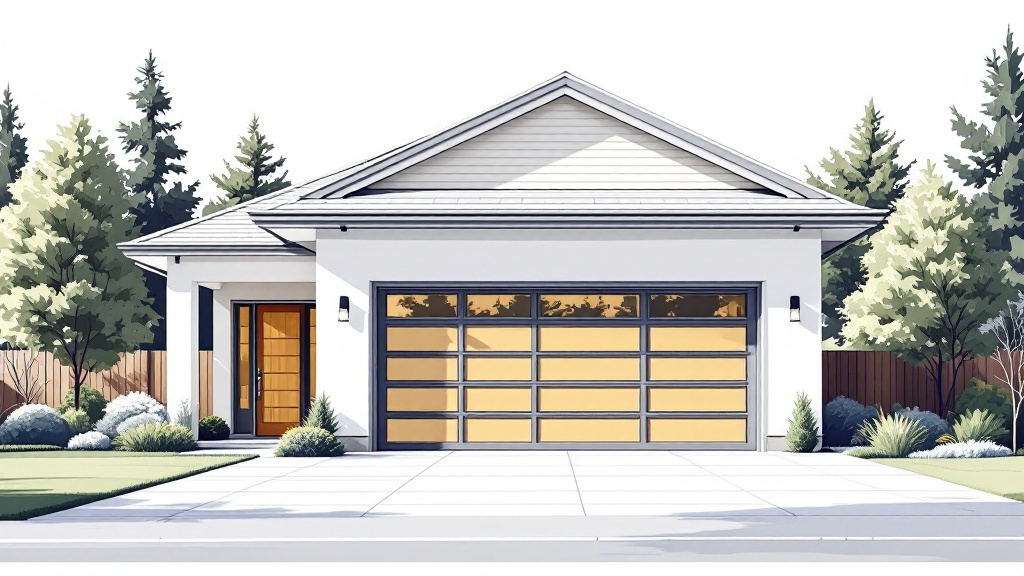
What a roller job costs
Nationally, most homeowners pay between $100 and $250 to replace a full set of garage door rollers, parts and labor included. That is a typical US range, not a Summit quote. We quote the full price before work starts.
The spread comes down to two things: how many rollers your door has, and what they are made of. A standard double door runs ten to twelve rollers, and the material choice is where the quote and the result both move.
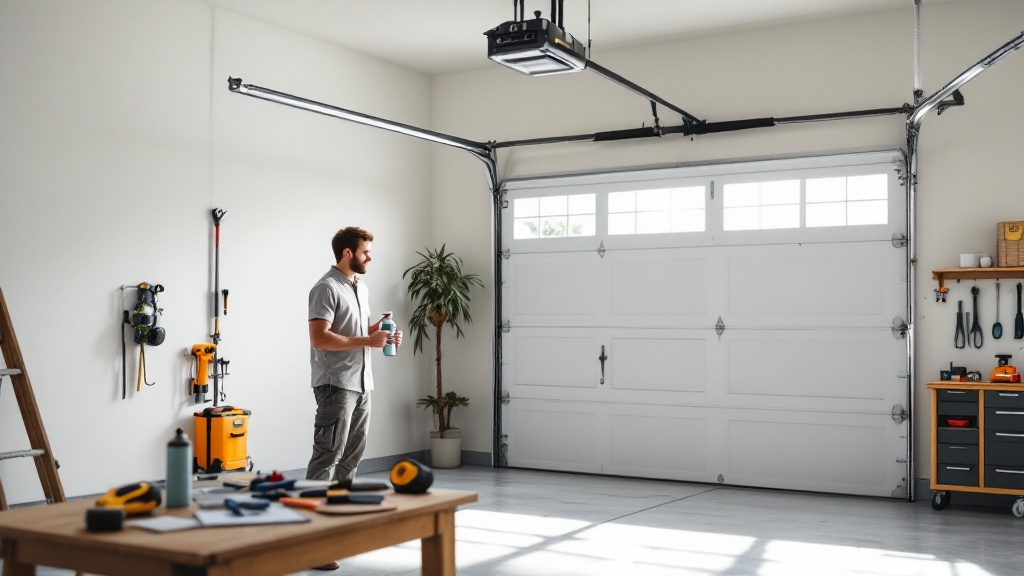
Plastic, steel, or nylon
- Builder-grade plastic. What most production homes on the North Side shipped with. No ball bearings, wears flat spots fast in Texas heat, and the source of most of the rattling you hear. Cheapest to buy, shortest lived.
- Steel rollers. Durable and loud. Fine on detached garages where noise does not matter.
- Nylon with sealed bearings. The upgrade we recommend for attached garages. Quiet, smooth, and rated for far more cycles than plastic. Costs a little more per roller and usually outlasts two sets of the cheap ones.
What moves the quote
Beyond material, three things shift the number. First, roller count: taller doors carry more sections and more rollers. Second, what else is worn. Flat-spotted rollers often share a door with dry hinges and a tired bottom seal, and bundling that work into one visit costs less than separate calls. Third, access. A door that is off-balance or has bent tracks needs that addressed before new rollers will run right, and an honest tech tells you so.
One fair warning: rollers look like the easiest DIY on the door, and most of them are, except the bottom two. Those sit in the brackets under full cable tension and stay in the professional column.
How we handle a roller job
We show you the worn rollers, quote the full set in the material you choose, and include balancing and a safety test in the job, not as add-ons. Most roller swaps run under an hour once we are on site, and the difference in noise is immediate.
Serving Stone Oak, Timberwood Park, and the Hill Country suburbs. Get a straight quote.
FAQ
How do I know if my garage door rollers are bad?
Noise is the first sign: rattling, squealing, or a door that sounds like a train. Look for flat spots on the wheels, wobbling as the door moves, visible cracks in plastic rollers, or rollers that have popped out of the track. Any of those means the set is due, and worn rollers accelerate track and opener wear.
How long do garage door rollers last?
Builder-grade plastic rollers often last only a few years, especially in Texas heat. Steel rollers run longer but get loud as bearings wear. Quality nylon rollers with sealed bearings are typically rated for tens of thousands of cycles and can last a decade or more with basic lubrication of the stems.
Can I replace garage door rollers myself?
Most of them, yes. The rollers along the sides and top swap with basic tools: open the track seam slightly or remove the hinge, swap the roller, re-seat it. The exception is the bottom rollers, which sit in brackets under full cable and spring tension. Leave those two to a pro.
Are nylon garage door rollers worth the extra cost?
For attached garages, yes. Nylon rollers with sealed bearings are dramatically quieter than plastic or steel, which matters when bedrooms sit next to or above the garage. They also carry higher cycle ratings, so the per-year cost usually beats replacing cheap plastic rollers two or three times.
Your garage door won’t wait. Neither do we.
We keep same-day openings when the board allows. Either way: diagnosis first, written price second, then the fix.