
Should I Repair or Replace My Garage Door?
Repair a door with one failed part and straight panels. Replace a door with structural damage, stacking repair bills, or no safety features.
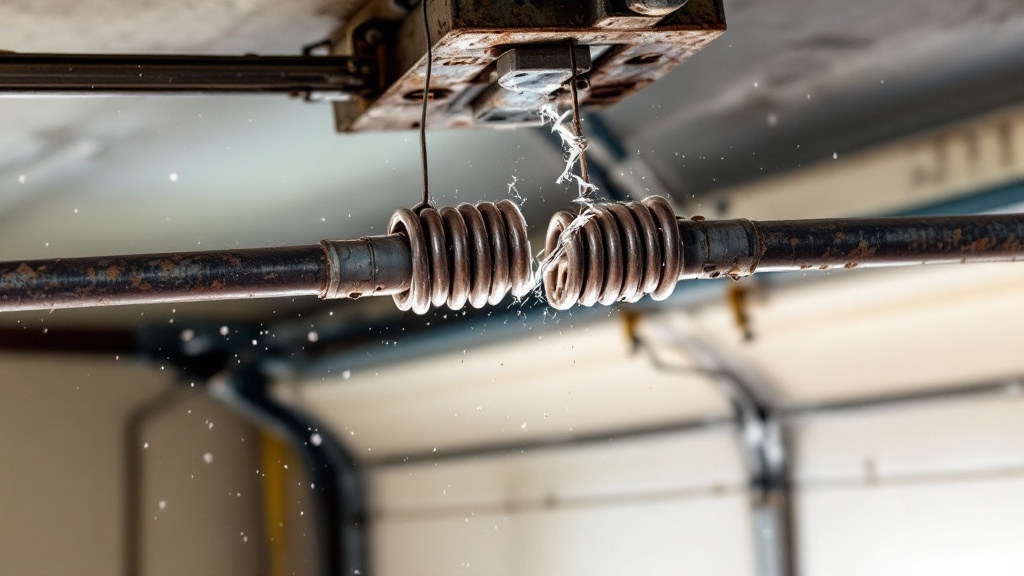
One broken part, repair. A failing system, replace.
Repair makes sense when the door is structurally sound and one component failed: a spring, a cable, a set of rollers. Replace makes sense when panels are damaged, repairs are stacking up year after year, or the door lacks modern safety features. Age is a factor, not a verdict; a well-kept 20-year-old door can be worth repairing, and a neglected 10-year-old door can be past saving.
Here’s how we walk homeowners through the decision, without the upsell.
Sound door, single failure
Repair wins when the door itself is in good shape.
- One component failed. A snapped spring, a frayed cable, a dead opener. These are routine repairs on an otherwise healthy door.
- Panels are straight and rust-free. If the sections are solid, the door has years left regardless of what part just broke.
- The door is balanced and quiet between failures. A door that ran well until one part let go will run well again after the fix.
- Cosmetic damage only. Dents, fading, and chipped paint are ugly, not fatal. A panel swap or paint job beats a new door.
Stop feeding a dying door
Replace when the structure is compromised: multiple cracked or sagging panels, a door that twists in the opening, or rot and rust through the sections. Replace when you’re calling for repairs more than once a year and the bills are creeping toward the price of a new door. And replace any door old enough to lack photo-eye sensors or auto-reverse, because no repair adds decades of safety engineering.
Storm damage sits in the middle. One dented panel is a panel replacement. Three bent panels and a racked frame usually tip the math toward a full replacement.
Where the crossover point sits
Nationally, common single-part repairs run $100 to $350, while a new single-car door installed typically starts around $800 to $1,500 and goes up with size, insulation, and material. The rule of thumb we use: if the repair quote passes roughly half the cost of a comparable new door, and the door is past 15 years, replacement usually wins.
What moves a real quote up or down is door size, material, insulation, and whether the opener and tracks stay or go. We quote the full price before work starts, either way. The upgrades and home value guide covers what a new door returns at resale, which is more than most people expect.
Want a straight repair-vs-replace opinion? We’ll tell you which one we’d pick on our own house. Get the assessment.
FAQ
At what age should I replace instead of repair my garage door?
Age alone isn’t the trigger; condition is. Most steel doors last 20 to 30 years with maintenance, so a solid 15-year-old door with a broken spring deserves the repair. The equation flips when age brings structural problems: sagging or cracked panels, rust through the sections, or a door missing modern safety features. Past 20 years with stacking repairs, replacement is usually the honest recommendation.
Is it worth repairing a garage door with a dented panel?
Usually yes. One or two dented panels can be replaced individually for far less than a new door, as long as the manufacturer still makes the section and the rest of the door is sound. The catch is color matching on a sun-faded door, and availability on discontinued models. Three or more damaged panels often cost more to replace piecemeal than a new door costs installed.
How much does a new garage door cost compared to repairs?
Nationally, single-part repairs like springs, cables, or rollers run roughly $100 to $350 each, while a new single-car door installed typically starts around $800 to $1,500 and rises with size, insulation, windows, and material. If your repair quote approaches half the price of a comparable new door and the door is older, replacement usually wins. We quote both options in writing before you decide.
Will a new garage door lower my energy bills in Texas?
It can help, if your garage is attached and you choose an insulated door. An insulated door slows heat transfer into the garage and the rooms around it, which takes some load off the AC during a San Antonio summer. It won’t refrigerate the space, and the garage will still run hot. The bigger daily wins are quieter operation, better sealing, and a door that holds up to hail.
Your garage door won’t wait. Neither do we.
We keep same-day openings when the board allows. Either way: diagnosis first, written price second, then the fix.